The Ten-Second NPC
Players will talk to the person you did not prepare. They always do. The good news is that an improvised NPC needs only four things, and you can pick all four before the player finishes asking:
- A name. Said with confidence, from a list you already have.
- A want. What they are after right now, in this scene. One verb.
- A secret. One thing they will not say unless pushed.
- A voice hook. One habit the players can recognize next time.
That is the whole NPC. Everything else (their past, their family, their opinion of the king) you make up when someone asks, and you write down the moment you say it.
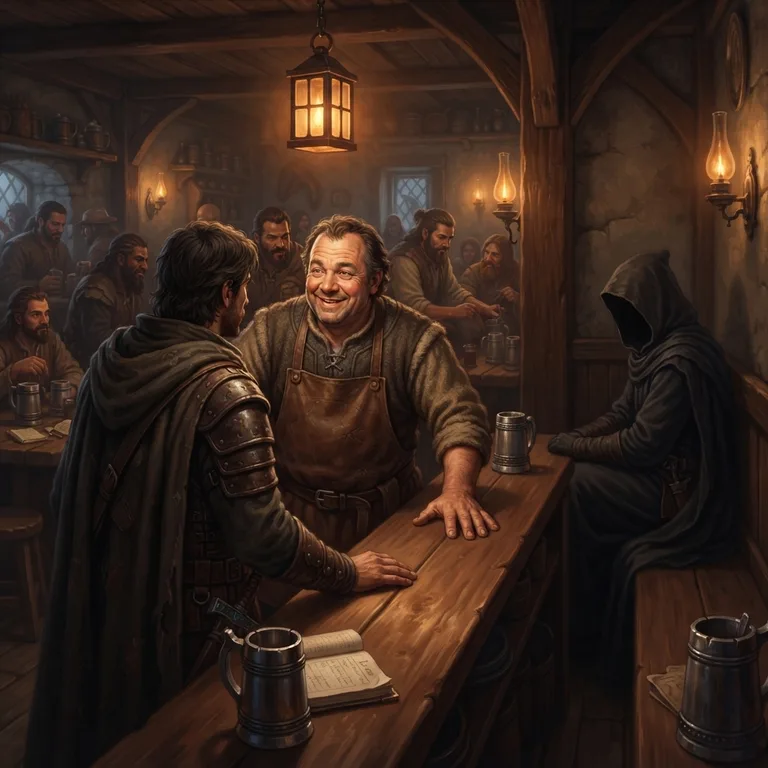
Here is one built in ten seconds. Wenna Hale, the toll keeper on the bridge. Wants the party across before the rain gets worse, because she wants to go home. Secret: she let a cart through last night without collecting the toll, and the cart had something alive under the tarp. Voice hook: she counts coins out loud while she talks. That is enough for a scene, and enough for a plot if the players pull on the cart.
Players do not remember backstory. They remember the toll keeper who counted coins while she lied to them. Give an NPC one thing to want and one thing to hide, and the table will do the rest of the work for you.
Names: Have a List Before You Need One
The pause while you think of a name is what tells the players you are improvising. A name list fixes that. Before the session, write twenty names on one card, split by whoever lives in the area: a handful of human names, a few dwarven, a few for the people who live past the river. Cross each one off as you use it.
A few rules that help:
- Make them easy to say and easy to spell. Players will write it down. "Wenna" survives, "Xy'lthariel" becomes "the elf lady" within ten minutes.
- Vary the first letter. If the blacksmith, the baron and the bandit all start with B, the players will mix them up.
- Use a surname or a title for anyone who might return. "Old Garrick" and "Sergeant Pell" are already half a character.
- Let the name match the weight. A shopkeeper with a long, grand name tells the players this person matters. Sometimes that is the trick you want, usually it is not.
If a player asks for the name of someone you meant to be scenery, that player is interested. Give them a name and a want, and that NPC just got promoted.
Wants and Secrets
The want is what makes an NPC play themselves. Once you know what they are after, you know how they answer every question: anything that moves them toward the want gets a yes, anything that moves them away gets resistance.
Keep the want small, current and physical. "Wants to be respected" is hard to play. "Wants the party to stop blocking the door" is easy. A few that work for almost anyone:
- Wants you gone before the boss notices.
- Wants to sell you something, today, for more than it is worth.
- Wants news of someone who went up the road and did not come back.
- Wants a favor, and will trade what they know for it.
- Wants you to take their side in an argument that is still going on.
The secret is your hook for later. It does not need to be dark. "She is behind on rent" is a secret. So is "he saw who did it and is scared to say." The best secrets connect to the adventure you already have: a guard who took a bribe from the cult, a priest who knows where the missing map went. When the players push the right way, the secret comes out, and they feel clever for finding it.
- Give the want a reason the players can guess at, so pushing back feels possible.
- Tie the secret to something already in your adventure.
- Let the NPC want something from the party, not only the other way round.
- Decide how hard the secret is to get: a kind word, a bribe or a threat.
- Wants that are really personality traits, like 'wants to be liked'.
- Secrets so big they derail the session the moment they come out.
- Every NPC hiding something. Some people are just selling turnips.
- Making the players roll before the NPC has said anything at all.
A Voice Hook (You Do Not Need Accents)
A voice hook is any one habit that lets the players tell this NPC apart from the last one. It does not have to be a voice at all. The best hooks are the ones you can keep up for a whole session and pick up again three months later.


Making NPCs React
An NPC who agrees to everything is a vending machine. An NPC who refuses everything is a wall. The want is what puts them somewhere in between.
When the players ask for something, ask yourself one question: does this move the NPC toward what they want, or away from it? Toward is a yes, maybe with a price. Away is a no, or a "not unless," which is better because it tells the players what to do next.
Start from an attitude. The rules sort creatures into Friendly, Indifferent and Hostile, and that is a useful dial even if you never say it out loud. A friendly NPC helps if it costs them little. An indifferent one helps if there is something in it for them. A hostile one needs a reason to even listen.
Only call for a roll when the outcome is honestly in doubt. If the players offer exactly what the NPC wants, they get it. If they ask an indifferent guard to betray his captain for nothing, no roll will fix that. In between, a Charisma check decides it, and a good argument from the player should make it easier.
Give NPCs things to do in the conversation besides answer:
- They change the subject when you get near the secret.
- They ask for something back. Every favor is a trade.
- They get interrupted. A customer, a shout from upstairs, a guard walking past.
- They remember. A party that threatened the baker on day one gets stale bread on day five.
Magic counts as an interaction too. A target of 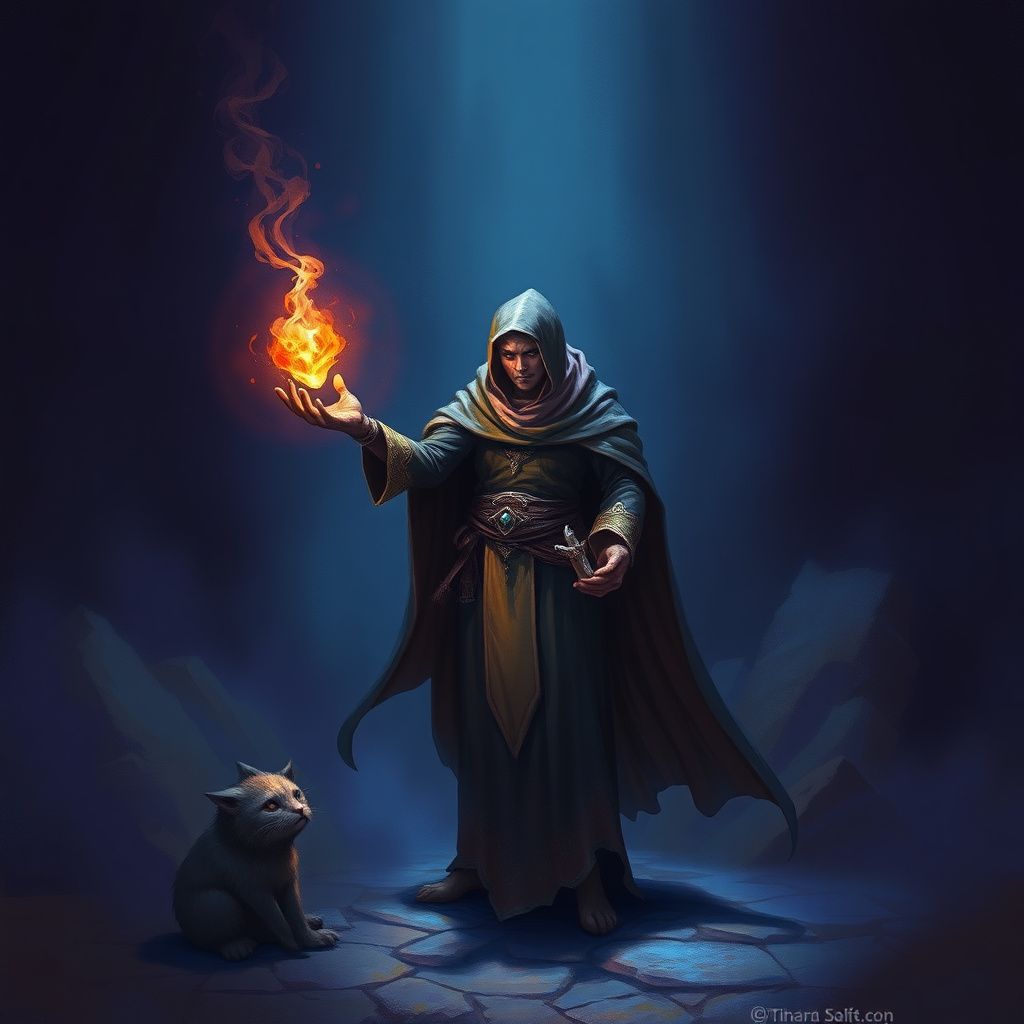 Charm PersonCharm Person1st-level EnchantmentCastingActionRange30 feetDuration1 hourSaveWisdomOne Humanoid you can see within range makes a Wisdom saving throw. It does so with Advantage if you or your allies are fighting it. On a failed save, the target has the Charmed condition until the spell ends or until you or your allies damage it. knows it was charmed once the spell ends, so the NPC who helped because of it is now an NPC with a grudge.
 Zone of TruthZone of Truth2nd-level EnchantmentCastingActionRange60 feetDuration10 minutesSaveCharismaYou create a magical zone that guards against deception in a 15-foot-radius Sphere centered on a point within range. Until the spell ends, a creature that enters the spell's area for the first time on a turn or starts its turn there makes a Charisma saving throw. stops a lie, but not a careful half-answer. Let your NPCs be as clever as the players.
Reusing NPCs
The cheapest NPC is one the players already know. When you need a messenger, a witness or a guide, look at your list first. The bartender from session two showing up at the crime scene is a better scene than a new stranger, because the players already have feelings about her.
- Promote the ones the players like. If the table laughs every time the coin-counting toll keeper appears, she has earned a bigger part.
- Recycle the ones they never met. Prepared an NPC the players skipped? Move them. The sage they never visited in the capital can be the hermit they meet on the road.
- Change them a little between appearances. A new scar, a new job, a new worry. It tells the players the world kept moving while they were away.
- Let NPCs know each other. "You are the ones who helped Wenna on the bridge" makes the world feel small in the good way.
I keep a cast of about a dozen faces per town, and I lean on them hard. By the third visit, the players greet the innkeeper by name and ask after his daughter. That is worth more than any monster I ever drew.
Recording NPCs So They Stay Consistent
You will forget. Everyone does. The fix is to write one line the moment an NPC gets a name, while the player is still talking. The line has a fixed shape so you can fill it in fast:
Wenna Hale, toll keeper, Hale's Bridge. Wants to get home before the rain. Secret let a covered cart through for free. Hook counts coins out loud. Last seen session 3, angry at the party for the broken railing.
After the session, spend five minutes on the list:
- Add anything you invented, like a sister in the next town or a price you quoted.
- Update the attitude. Did the party make a friend or an enemy?
- Note any promise either side made. Players remember promises NPCs make. NPCs should remember promises players make.
A notebook, a spreadsheet or a notes app all work. What matters is that it is one list, sorted by place, that you can search in a few seconds while someone waits for an answer.
Running It at the Table
If you are running for yourself, the Oracle (5e) covers steps one to three and can play the conversation for you. The solo play guide has more on running both sides of the table.
Want to be on the other side of the conversation for a night? Start an adventure where an AI Dungeon Master improvises the townsfolk and remembers them, and you just play your character.
Play freeFAQ
How do you improvise an NPC in D&D?
Give them four things: a name from a list you prepared, a want for the current scene, one secret, and one voice hook such as a phrase they repeat. Play the want, reveal the secret only when pushed, and write a one-line note before the scene ends.
How do you make NPCs memorable?
Give them one clear habit and bring them back. A repeated phrase or a thing they are always doing sticks better than a detailed backstory, and an NPC the players meet three times becomes part of the story.
Do you have to do voices to be a good DM?
No. Accents are optional and hard to keep up. A verbal habit, a change in speaking speed, or something the NPC is doing with their hands tells NPCs apart just as well and is easier to repeat next session.
How many NPCs should I prepare for a session?
Prepare the three or four the adventure needs, with a want and a secret each, plus a list of about twenty names. Improvise everyone else from the list, and promote the ones the players care about.
How do you keep track of NPCs in D&D?
Keep one list, sorted by place, with a line per NPC: name, role, want, secret, voice hook and when the party last saw them. Write the line during the session and tidy it up for five minutes after.
Keep reading


Meet the town from the other side
Start an adventure in your browser and let an AI Dungeon Master improvise the innkeepers, guards and liars while you play a character for once.
This guide includes material from the System Reference Document 5.2 by Wizards of the Coast LLC, licensed under the Creative Commons Attribution 4.0 International License. TableForge is not affiliated with Wizards of the Coast. Full licenses.